Experiences

A curated history of technical execution and organizational leadership—focused on solving complex, high-stakes problems through engineering, software, and strategic thinking.

Software Engineering Intern: ECLSS Modeling & Simulation

NASA / CACI
C++Python+2
Summer 2025
94%Contaminant removal efficiency
25+C++/Python errors resolved
100k+Data points for validation

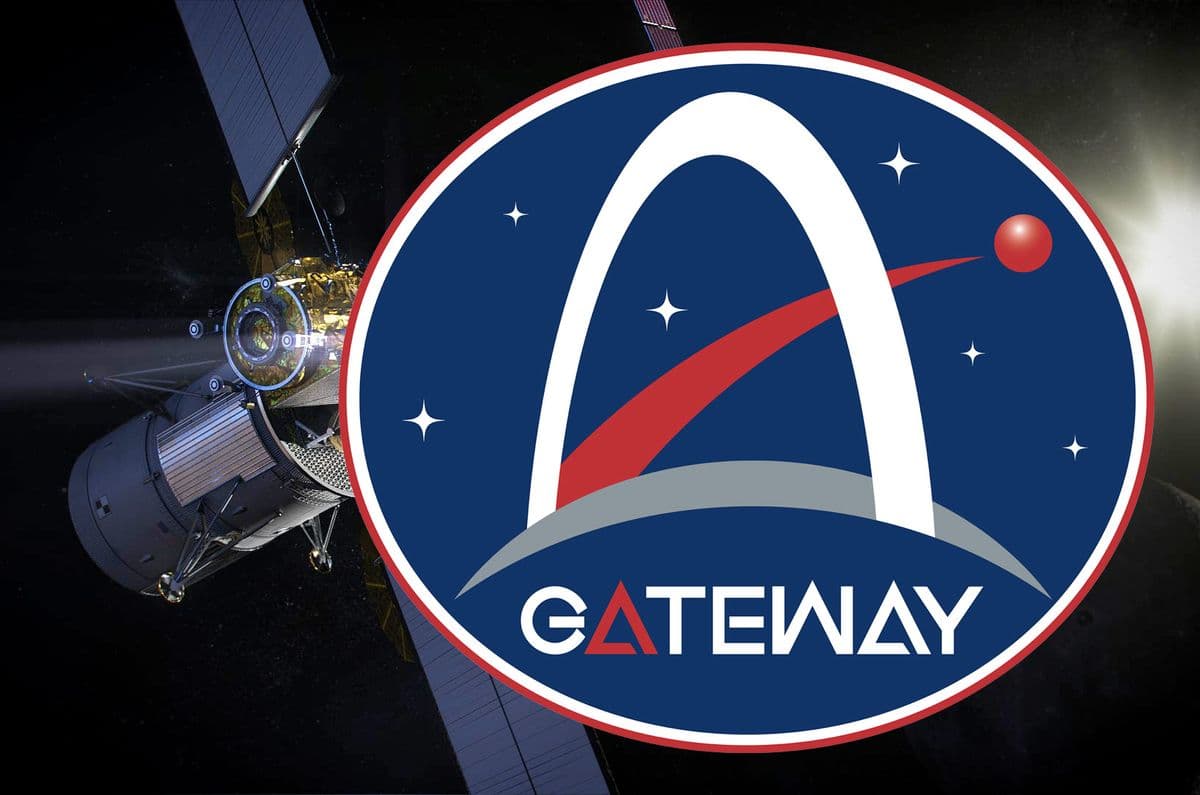
At NASA/CACI, I worked on the Trace Contaminant Control System for the Artemis Gateway's IHAB module. This wasn't just a coding exercise; it was about mission safety. I used NASA's GUNNS and Trick software to simulate how the system handles hazardous compounds over time to make sure the air stays breathable for astronauts.

What I Did

I spent my time doing everything from low-level debugging to high-level analysis. I fixed over 25 critical errors in Python and C++ files, tracing down segmentation faults and memory leaks that were making our simulations unstable. Once the system was reliable, I processed 100,000 data points to confirm that our models reached a 94% removal efficiency, which met all the vendor and mission requirements.

What I Learned

Beyond the technical side of Agile and Git, I learned how much responsibility comes with writing aerospace software. I had to work closely with different teams and contribute to a massive codebase where every line of code actually matters for crew safety.

Why It Matters

The Gateway is a huge part of our return to the Moon. By stabilizing these simulations and presenting my findings to CACI leadership, I helped ensure that the systems keeping astronauts alive are as dependable as possible.

Key Outcomes

  • Stabilized simulation by resolving 25+ critical memory and logic bugs
  • Confirmed 94% contaminant removal efficiency using large-scale data analysis
  • Integrated models into the core Artemis Gateway simulation framework
Click anywhere to collapse

AI/ML Developer

SpaceCRAFT VR Lab
Reinforcement LearningNVIDIA Cosmos+2
Jan 2026 – Present
50kSynthetic training samples
25%Convergence speedup
End-to-EndRL pipeline integration

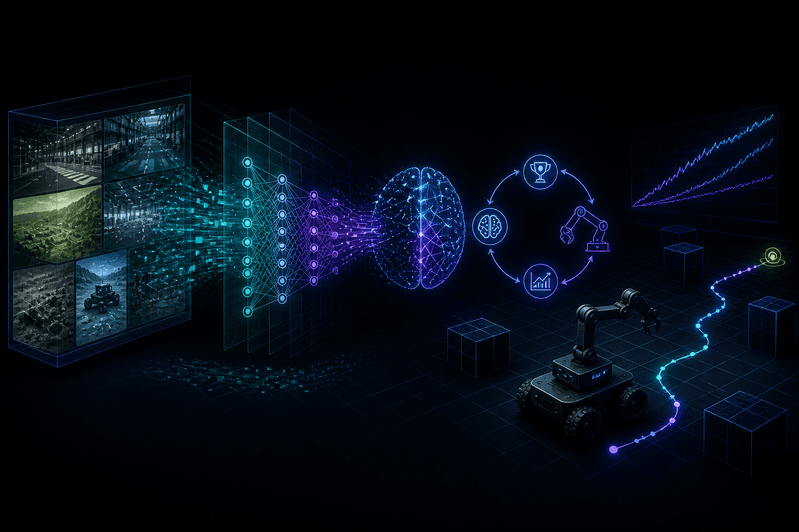
In my current role at SpaceCRAFT, I've moved into the intersection of AI and robotics. My main goal is building the infrastructure that lets us train autonomous systems from scratch in complex virtual environments.

What I Did

I built reinforcement learning pipelines that connect NVIDIA Cosmos simulations with ROS2-based robotic systems. To get the best results, I created a workflow that generates over 50,000 synthetic samples for training. I also spent a lot of time optimizing our training code in Python and PyTorch, which made our models reach stability about 25% faster than before.

What I Learned

This role is really pushing me to understand how we can take a policy trained in a simulation and make it work in the real world. I've learned a lot about scaling data and the math needed to make a robotic policy actually stable when things get unpredictable.

Why It Matters

Autonomy is going to be essential for exploring other planets. By building these RL pipelines, I'm helping create a platform that can train the 'brains' of future rovers to be more capable and independent.

Click anywhere to collapse

GNC Robotics Engineer

Mars Autonomous Rover Competition
ROS2Held-Karp Algorithm+2
Sept 2025 – Dec 2025
18%Path distance reduction
7System communication nodes
AdaptiveNavigation logic

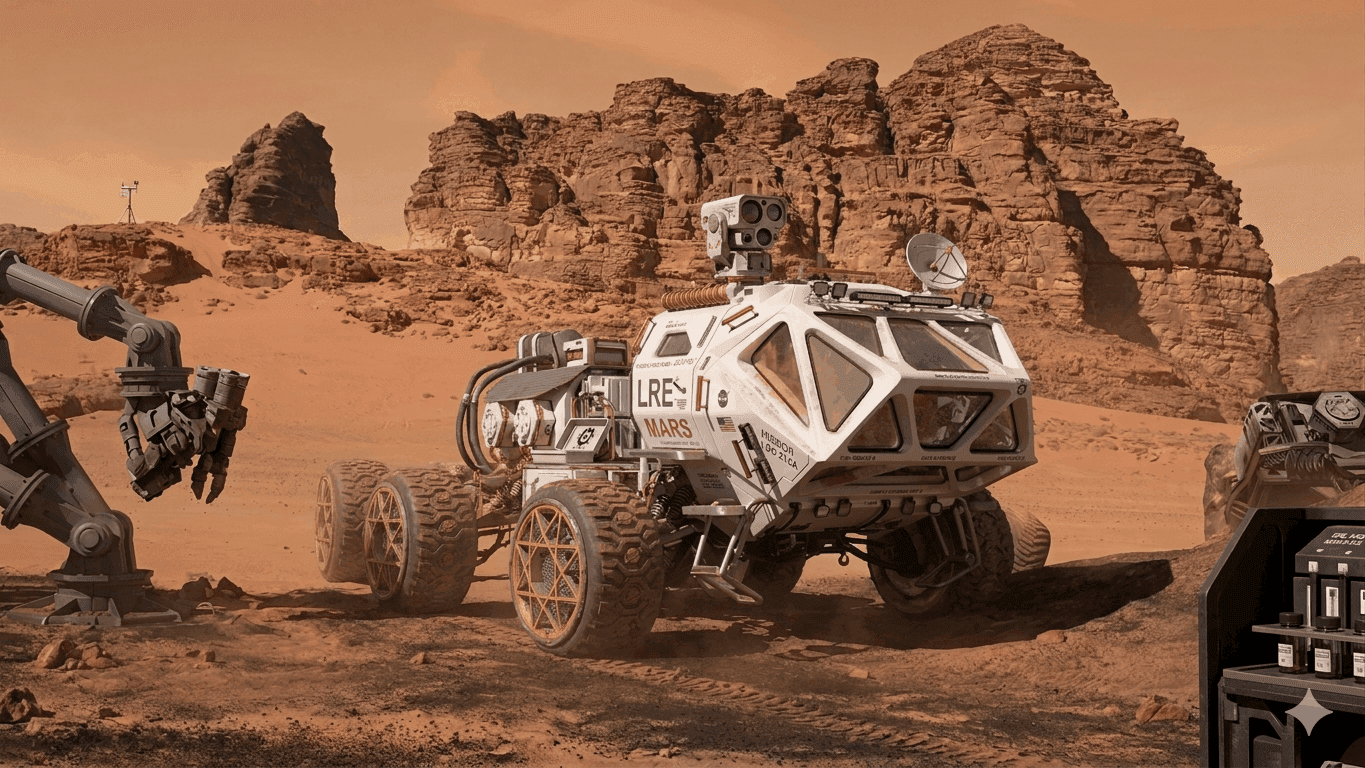
I was responsible for the 'brain' of our rover for the Mars Autonomous Rover Competition. I had to build a system that could handle rough, unknown terrain completely on its own using SpaceTeams PRO.

What I Did

I designed a ROS2 system with 7 different nodes to handle everything from planning to motor control. One of the biggest wins was implementing the Held-Karp algorithm for path planning, which cut our travel distance down by 18%. I also integrated D* Lite so the rover could avoid obstacles in real-time as they appeared.

What I Learned

I got really comfortable with ROS2 and the challenge of getting different software components to talk to each other in real-time. I also learned how to lead a technical team and make sure everyone was building toward a clean, unified architecture.

Why It Matters

When a rover is on Mars, it has to be smart enough to survive without a human holding the controls. The system I built proved we could handle complex waypoints efficiently and safely, which was a huge part of our team's success.

Key Outcomes

  • Cut traversal distance by 18% with optimized path planning
  • Built a stable 7-node ROS2 architecture for real-time control
  • Successfully tracked waypoints across hazardous simulated terrain
Click anywhere to collapse

Astrodynamics Researcher

SpaceCRAFT VR Lab
Unreal Engine 4Python+2
Jan 2024 – May 2024
30%Physical fidelity increase
11Celestial bodies modeled
UE 4.27Engine implementation

My work at SpaceCRAFT was focused on the physics of the simulation. I needed to make sure that the orbits and planets weren't just pretty pictures, but were actually following the real laws of physics.

What I Did

I used Python and C++ to model planetary orbits and complex trajectories, then brought those calculations into Unreal Engine 4.27. I implemented visual models for 4 planets and 7 other celestial bodies, making sure their movements were mathematically accurate.

What I Learned

I learned how to bridge the gap between abstract math and real-time visuals. Working in Unreal taught me a lot about high-quality rendering, and the backend work helped me write better, more efficient C++ code.

Why It Matters

If a simulation isn't accurate, it's not useful for training. By making our environment 30% more realistic, I gave engineers and astronauts a better place to test maneuvers and explore space virtually.

Click anywhere to collapse

Business Consultant

SERC (Robotics Startup)
Market AnalysisEquity Structuring+2
March 2026 – Present
$2BMarket size reframed
$500KFundraising preparation
14Startup team size

At SERC, a robotics startup, I took on a role that blended my engineering background with business strategy. I wanted to help them build the foundation they needed to go from a cool project to a real, investable company.

What I Did

I completely reworked how we talked about our market, moving from a broad $8B claim to a much more defensible $2B target based on actual data. I also proposed the equity structure for our 14-member team, which is key for our upcoming $500K funding round. On the day-to-day side, I set up our internal systems like Slack to make sure everyone was actually on the same page.

What I Learned

I learned a lot about how early-stage startups actually work, like how to build credibility with investors and how to structure a team for the long haul. It taught me how to take complex technical ideas and explain them in a way that business people actually care about.

Why It Matters

Great engineering needs a good business plan to survive. By setting up these systems and refining our strategy, I helped put SERC in a much better position to get the investment we need to grow.

Click anywhere to collapse

NASA L'Space Mission Concept Academy

NASA
Team LeadSystems Engineering+2
May 2024 – Aug 2024
$15MPayload cost savings
9Mission objectives defined
11Interdisciplinary team size

During the NASA L'Space Academy, I was the Team Lead for Team Luna. I had to guide 11 people through the entire process of designing a NASA mission, from the first brainstorm to picking our final landing site.

What I Did

I turned high-level goals into 9 specific science objectives and 12 requirements to make sure our mission would actually work. I led the team in instrument selection, which saved us about $15 million in payload costs. I also used JMARS to pick our final landing site, balancing the scientific goals with the safety of the lander.

What I Learned

Leadership is about people as much as the project. I managed our workload through Notion, but the real work was in handling conflicts and making sure everyone was doing something they actually enjoyed. I learned how to keep a team moving forward when things got stressful.

Why It Matters

This was a deep dive into how NASA actually builds missions. It showed me that I could handle both the technical and the human side of a big engineering project, and we ended up with a concept that was both ambitious and realistic.

Click anywhere to collapse

Design Challenge Program Manager (DCPM)

TAMU ThinkTank
Growth StrategyOrg Operations+2
May 2024 – Present
+133%Membership growth
$7,500Competitive funding secured
30%Member dropout reduction

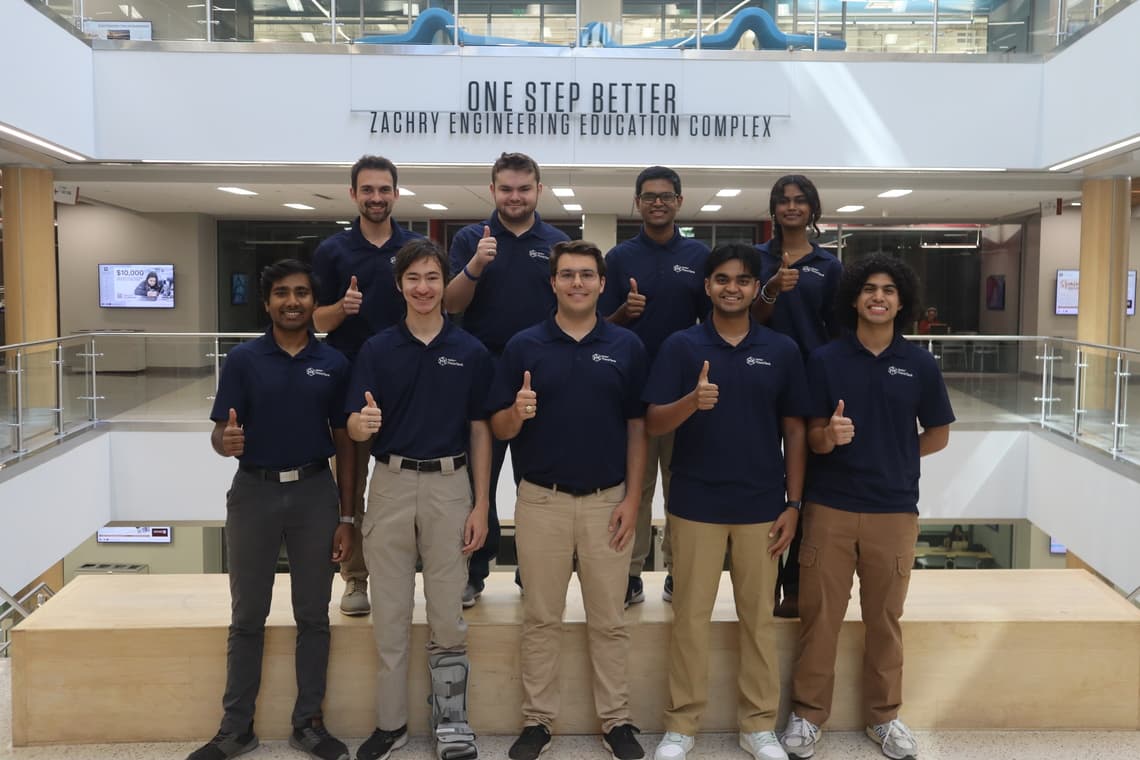
As the DCPM, I led Texas A&M's largest engineering student organization. It wasn't just about managing people; it was about building a strategy that could support over 140 students across nine different design teams.

What I Did

I helped scale our membership from 60 to 140 students and grew our applicant pool to 380 through better outreach. To make sure people actually stayed, I started a weekly workshop program that dropped our dropout rate from 35% to just 5%. I also secured $7,500 in funding by pitching our teams' visions to the Student Engineering Council.

What I Learned

I learned a lot about how to design an organization that people actually want to be part of. I figured out how to align incentives so that attendance went from 50% to 85%, and I got hands-on experience managing a real budget for multiple technical teams.

Why It Matters

By making the organization more stable and better funded, I've made sure that 140+ students have the community and resources they need to build their own engineering projects. It's about giving them the same opportunities I had.

Click anywhere to collapse

Python and Physics Tutor

TAMU Academic Success Center
PythonPhysics+2
May 2025 – Present
150+Total tutoring hours
Level 3Highest education certification
STEMPython & Physics focus

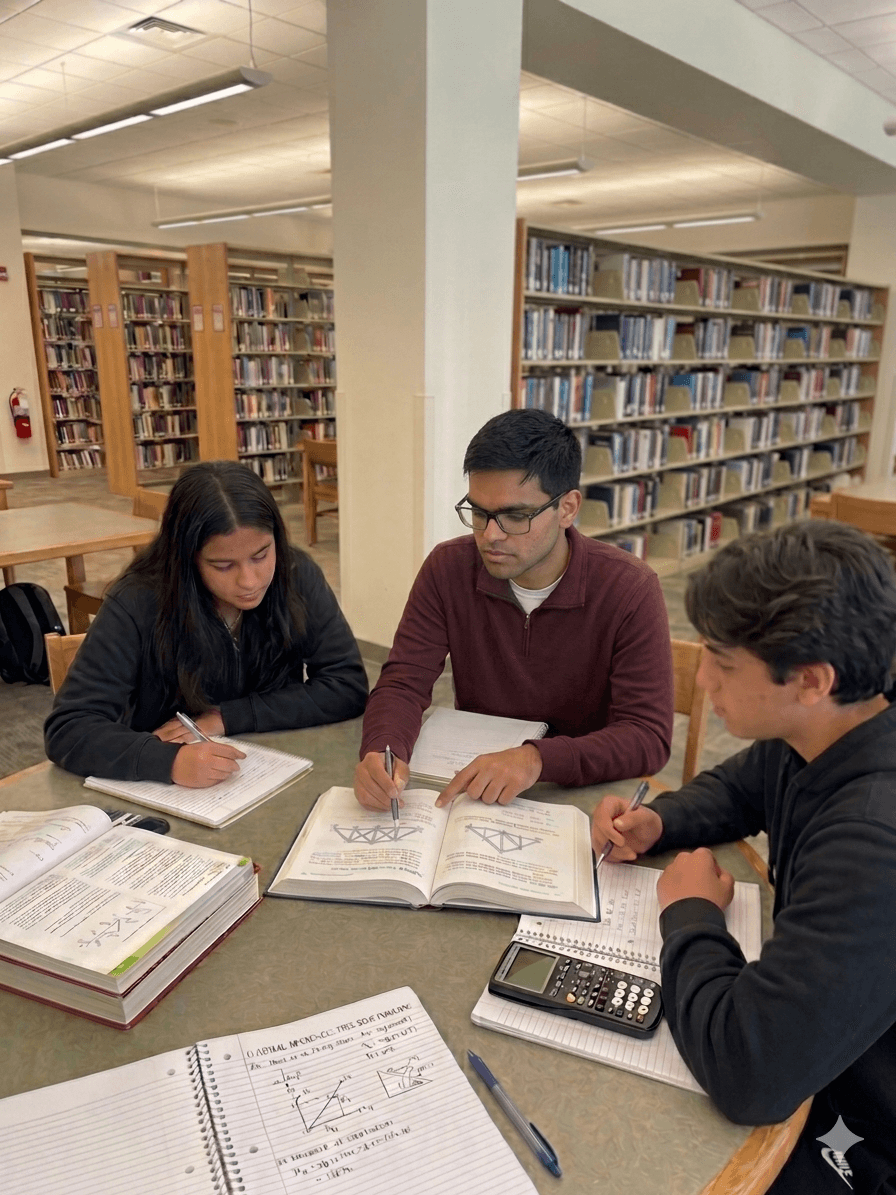
At the Academic Success Center, I work with freshmen to help them get through the early hurdles of engineering, mostly Python and Newtonian Physics. I love finding ways to make the hard concepts feel a bit more approachable.

What I Did

I lead weekly tutoring sessions where I break down STEM concepts into logic that actually makes sense. I've put in over 150 hours of tutoring and training, which earned me the Level 3 CRLA certification: the highest one you can get for peer tutoring.

What I Learned

Teaching has definitely made me better at the subjects themselves. It's also taught me how to explain technical ideas to people with different backgrounds, and the certification training helped me grow as a leader and a mentor.

Why It Matters

Engineering is tough, and the first year is often the hardest. By helping freshmen build their confidence early on, I'm hopefully helping more of them stay in the program and succeed.

Click anywhere to collapse